You already know how important trust is. Are you building trust for your patients before they arrive?
People don’t automatically trust a provider. That’s where video becomes incredibly powerful.
Thanks to psychology and brain science tells us, video is one of the fastest ways to build trust, reduce fear, and help patients feel comfortable choosing you.

CONNECTION
According to studies, the brain’s fusiform face area lights up when we see a face. It’s the part of the brain designed to read emotions, detect safety, and decide whether someone is trustworthy.
When potential patients see your face and hear your voice in a video:
-
They feel like they’ve “met” you already
-
Their brain forms a personal connection
-
Anxiety decreases
-
Familiarity increases
In short: a video triggers the same kind of social bonding we experience in real life.

patient anxiety
Going to a health professional can be scary. Fear of the unknown activates the brain’s amygdala, the part responsible for stress and threat detection.
A simple video can calm this response by:
-
Showing your clinic environment
-
Explaining procedures in simple terms
-
Demonstrating your bedside manner
-
Giving patients a sense of control and understanding
When the brain sees something familiar, the amygdala quiets down — and patients feel more confident taking action.

TRUST
Trust isn’t built through brochures or long paragraphs. The psychology of trust says we look for:
-
Eye contact
-
Tone of voice
-
Body language
-
Warmth
-
Confidence
All of these are invisible in text — but impossible to miss in video.
That’s why even a short 30-second clip of you speaking can create more trust than an entire website full of written content.
The Brain Remembers Video
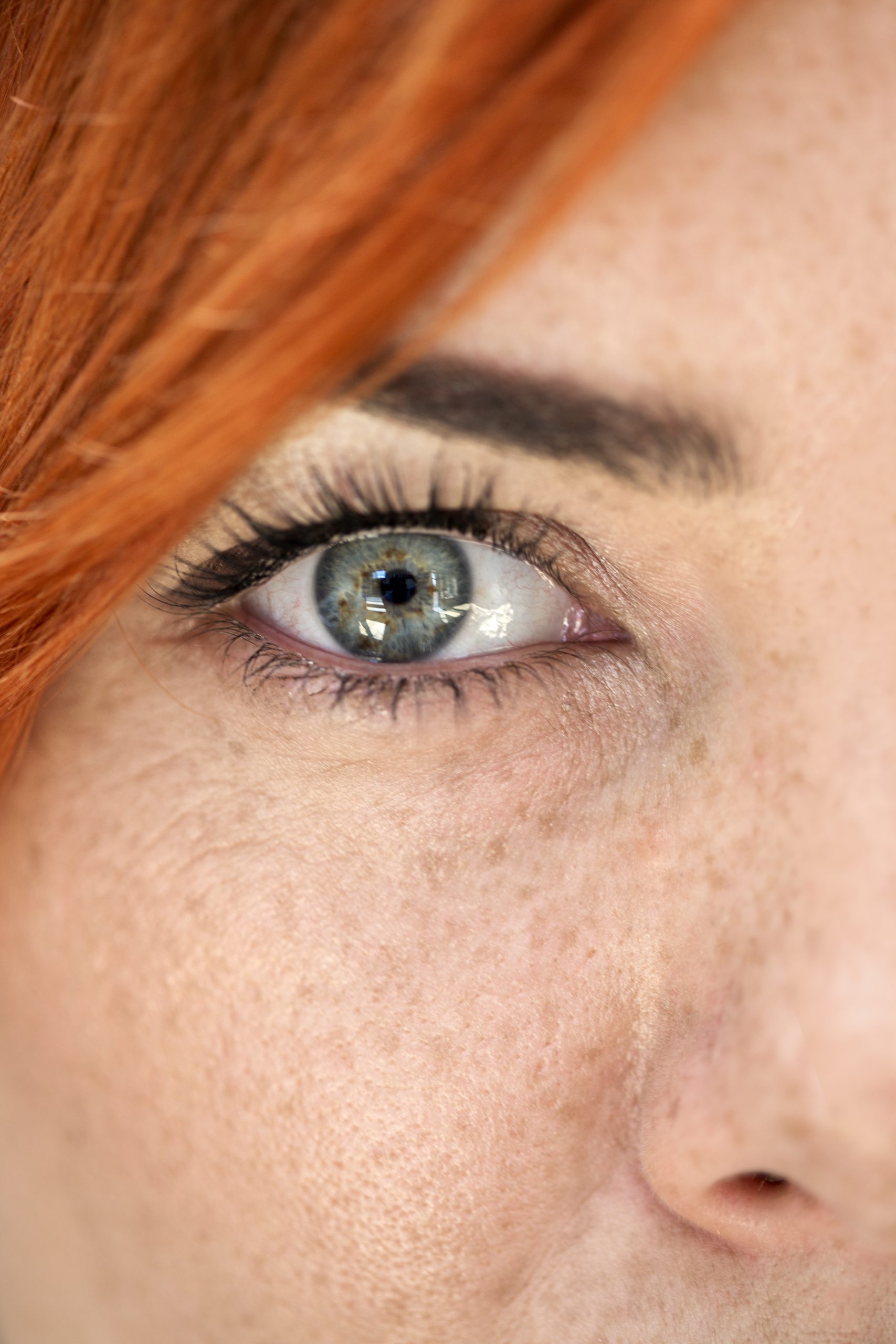
Neurologically, video activates more regions of the brain at once:
-
Visual processing
-
Audio processing
-
Emotional centers
-
Memory formation pathways
Because of this, video has a much higher recall rate than text or images. Patients who watch your video are more likely to remember you — and choose you — when it’s time to book an appointment.
The brain alsocontains mirror neurons, which fire both when we perform an action and when we see someone else perform it. This is what makes us feel empathy and connection.
In video, when a doctor or health provider smiles, speaks kindly, or explains something calmly, the viewer’s brain mirrors that emotional state. They begin to feel safe, understood, and cared for — even before walking in the door.
Portrait

Landscape

Video
Retouching

WEdding
Drone
Portfolio

Collection 1
Lorem ipsum dolor sit amet, consectetur adipiscing elit. Donec sed finibus nisi, sed dictum eros. Nisl massa, ultrices vitae ornare sit amet, ultricies eget orci. Sed vitae nulla et justo pellentesque

Collection 2

Collection 3
Aliquet nisl. Nulla tempor mauris sed pretium egestas. Ut mi lacus, tincidunt ac quam quis, ultricies laoreet purus. Donec tincidunt scelerisque lacus, vel convallis augue interdum ac. Etiam eget